






How Often Should Chickens Dust Bathe?

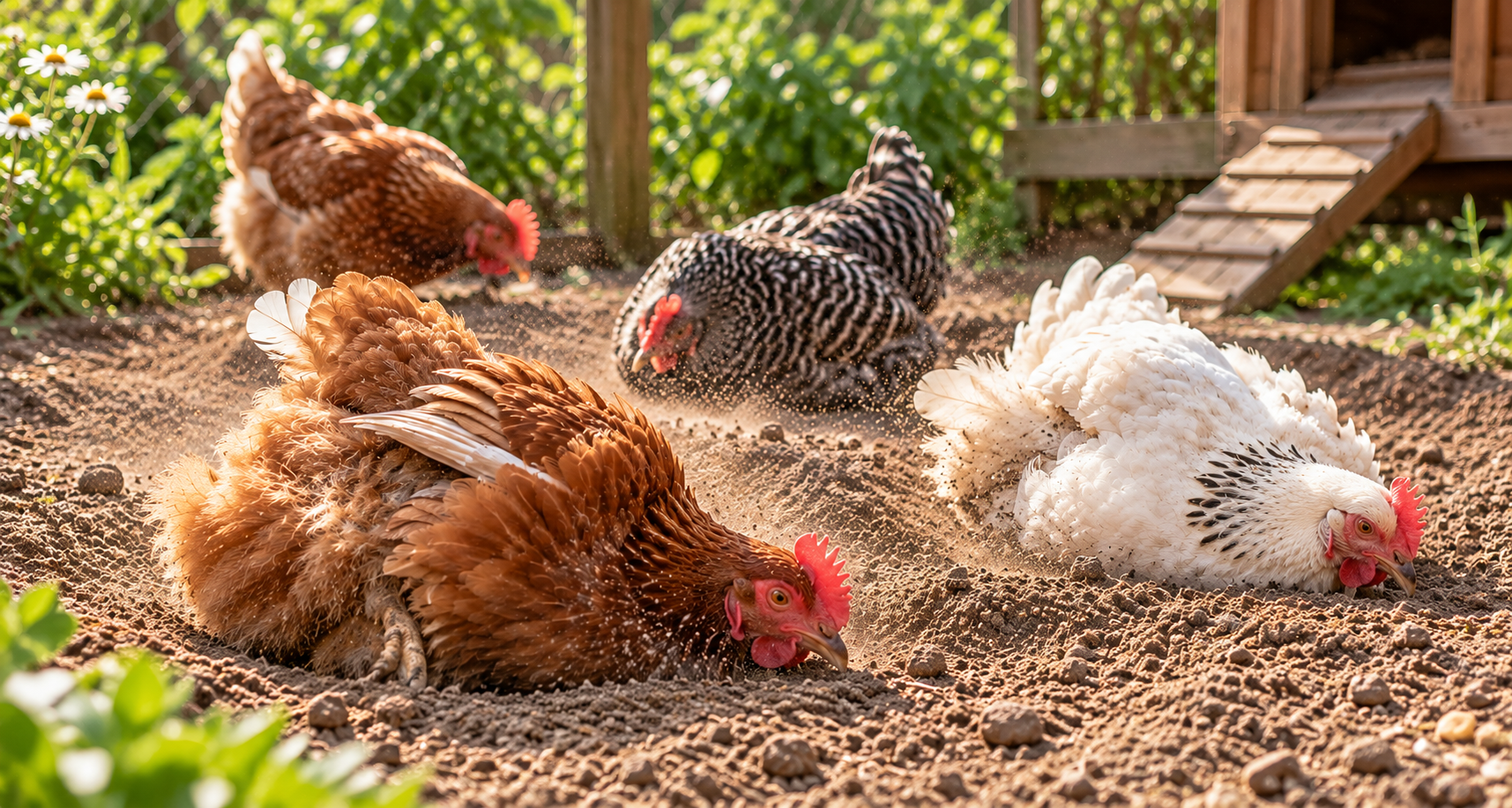
If you’ve ever seen your chickens roll, scratch, and fluff themselves in a patch of dry soil, you’ve probably wondered how often they should be doing it. Dust bathing is a normal part of chicken behavior and an important part of their natural grooming routine.

Unlike bathing with water, chickens use dry materials such as soil or sand to clean and maintain their feathers. There is no set number of times a chicken should dust bathe each day or week. Instead, chickens generally dust bathe whenever they feel the need.

How Often Do Chickens Naturally Dust Bathe?

Chickens can dust bathe regularly when they have access to a suitable, dry area. Some chickens may dust bathe several times a week, while others may do it more or less frequently depending on their environment, weather, and individual behavior.

You don’t need to force your chickens to use a dust bath or establish a strict schedule. The best approach is to provide a clean, dry space that they can access whenever they want.

Why Do Chickens Dust Bathe?

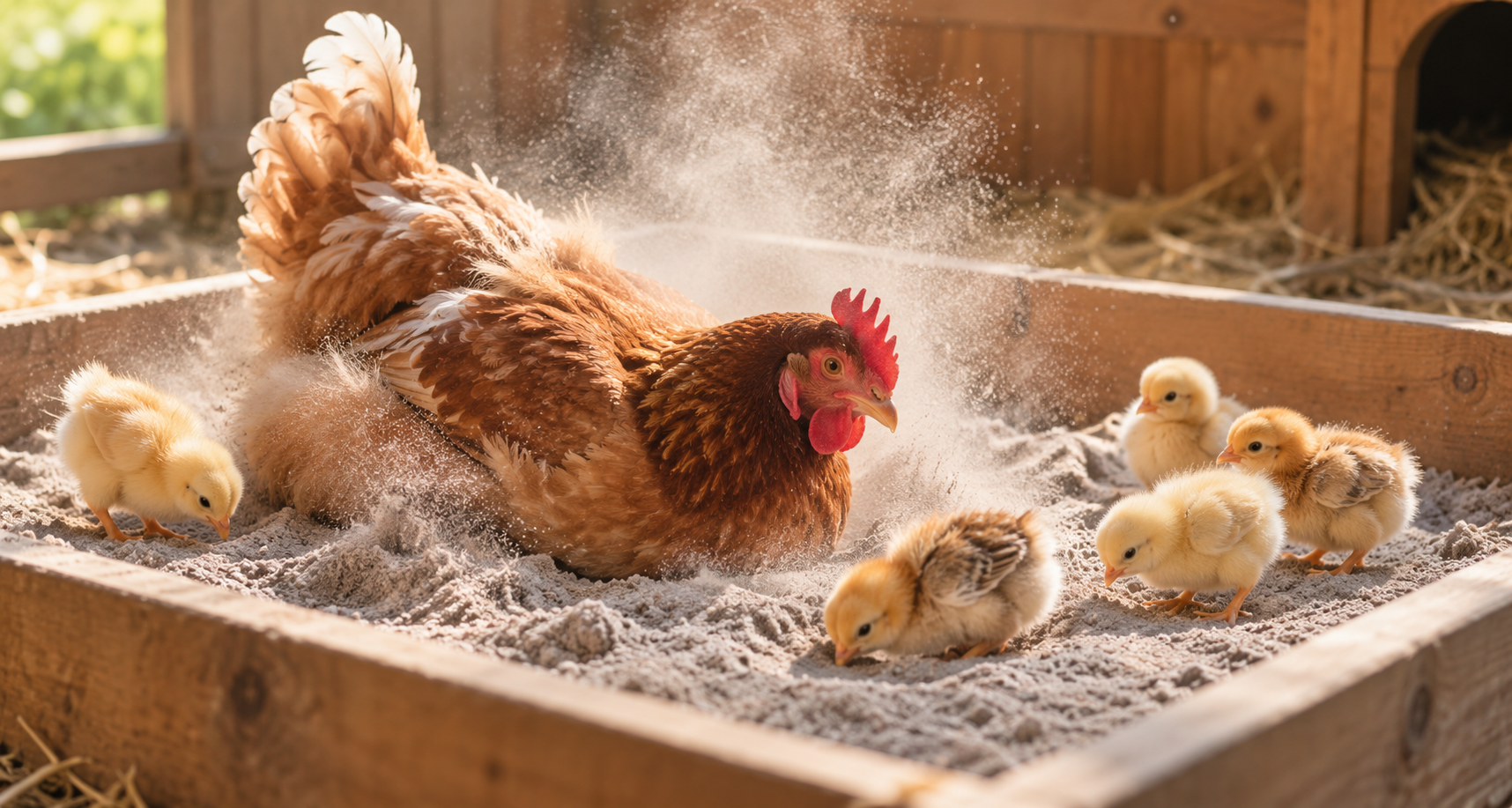
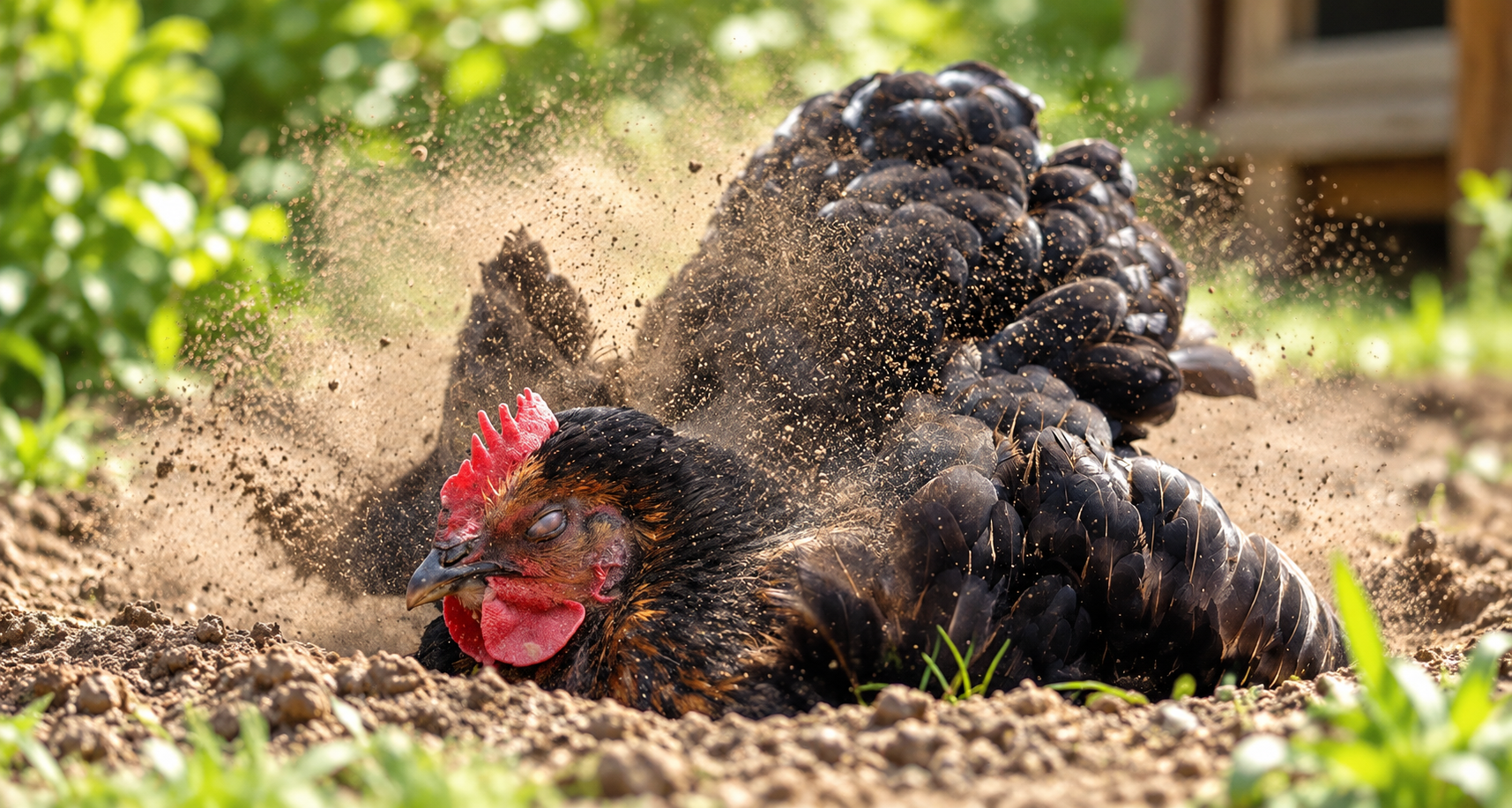
Dust bathing is part of a chicken’s natural grooming behavior. During a dust bath, a chicken rolls onto its side, kicks and scratches at the material, fluffs its feathers, and shakes the dust through its plumage.

The dry material can help absorb excess moisture and oils while loosening dirt and debris from the feathers. Dust bathing also allows chickens to perform an instinctive behavior that can contribute to a more comfortable and enriching environment.

Chickie-Whiz for a Natural Dust Bath

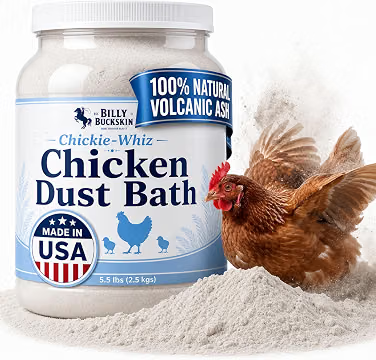
Chickie-Whiz Chicken Dust Bath is designed to help provide chickens with a suitable material for their natural dust-bathing routine. Made with natural volcanic pumice and ash, it can be used with fine dirt in a dedicated dust bath area.

Its absorbent properties can help manage excess moisture and oils while giving chickens a loose material to work through as they roll, fluff, and groom their feathers.

Chickie-Whiz can also be used for certain small animals that naturally dust bathe, such as quails and chinchillas.

Important: Chickie-Whiz is not recommended for baby chicks that still have down feathers. Wait until chicks have developed feathers before providing a dust bath.

How to Provide a Good Dust Bath

The most important thing is to provide a dry, accessible area with loose material that chickens can work through.

For free-range chickens, a sheltered patch of dry soil may be enough. For chickens kept in a coop or run, you can create a dedicated dust bath using a sturdy container such as a wooden or cardboard box.

Place the dust bath in an area protected from rain whenever possible. A few inches of fine, dry material gives chickens enough depth to roll and work the material through their feathers.


Can Dust Bathing Prevent Mites and Lice?

Dust bathing may help chickens disturb or remove some unwanted organisms and debris from their feathers. However, dust bathing alone should not be relied upon to prevent or treat a mite or lice infestation.

Regularly inspect your flock and coop for signs of parasites. If you notice persistent scratching, irritation, feather loss, or visible parasites, appropriate poultry care and veterinary guidance may be necessary.

Stock up on fatwood. Buy online with free shipping!

Accessories ideal for use with your fatwood

Read more posts from the blog