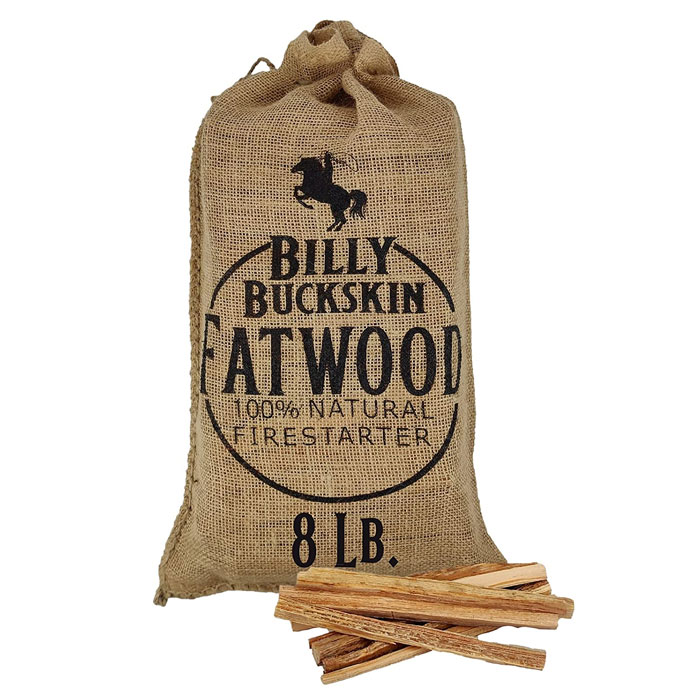
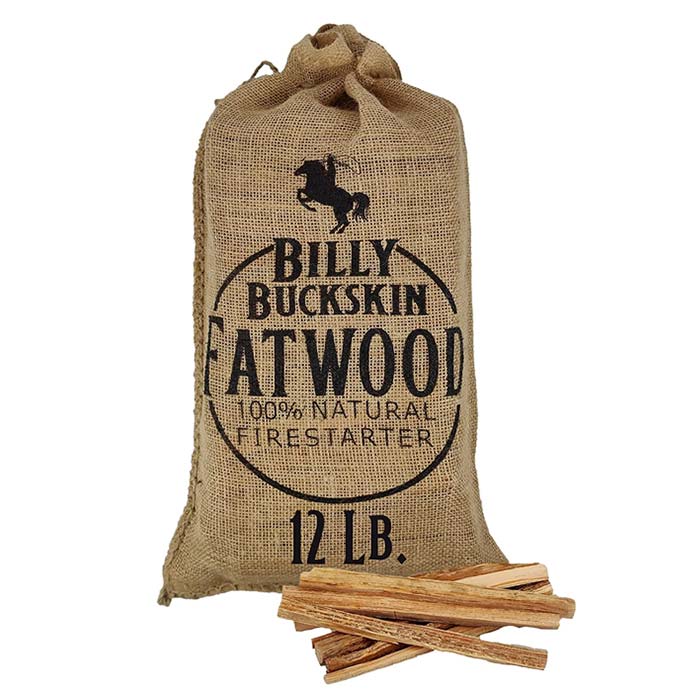
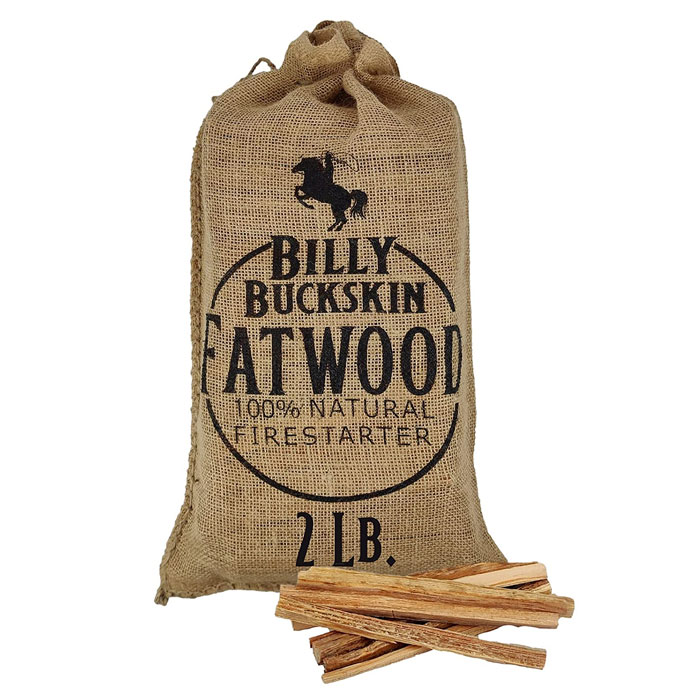
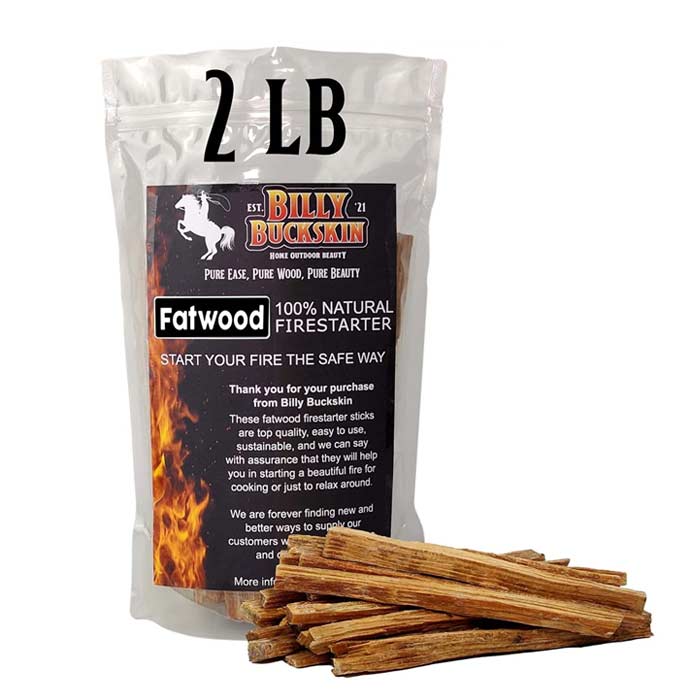
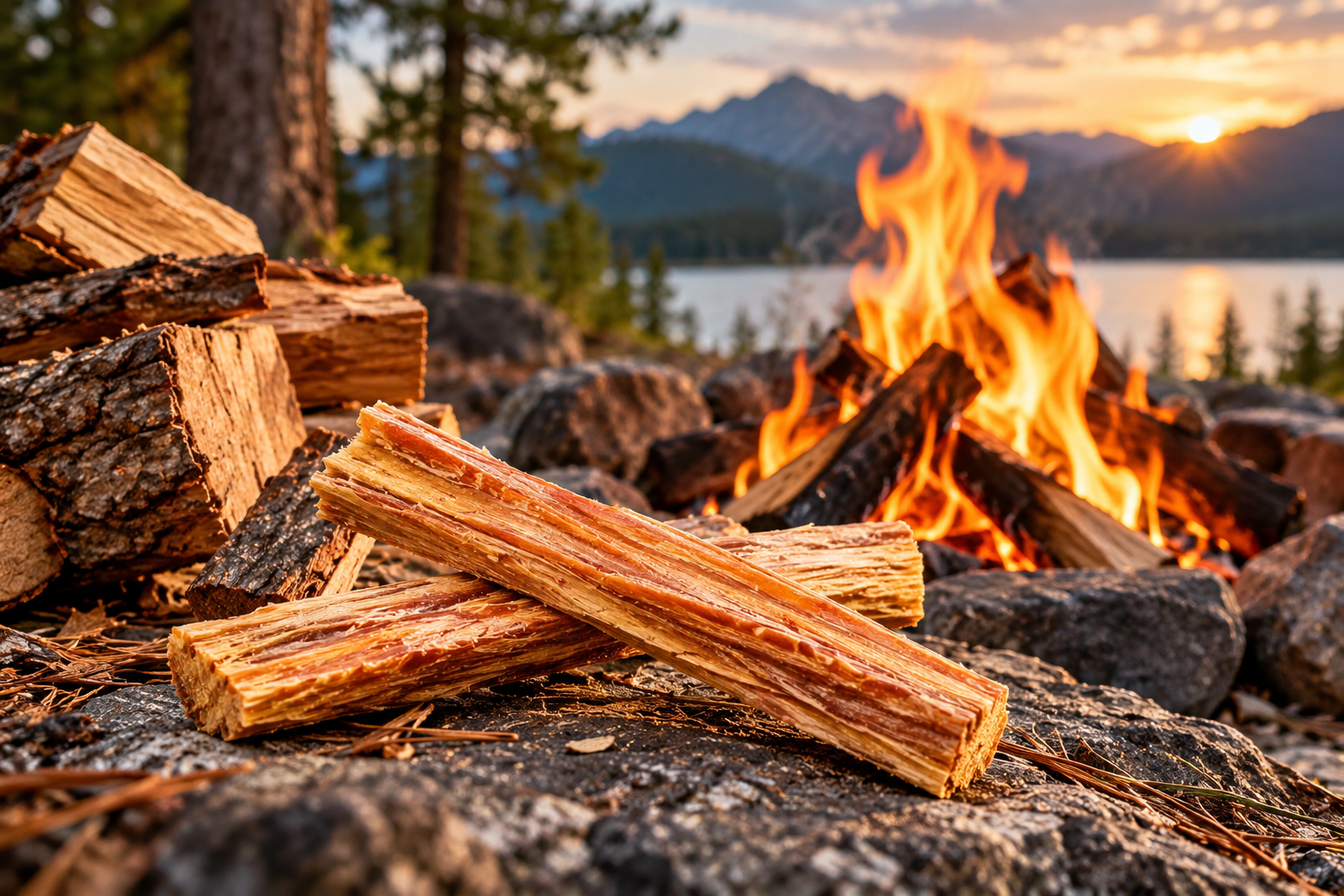
Fatwood is a popular natural fire starter known for its resin-rich pine wood and ability to catch fire quickly. Whether you're lighting a fireplace, wood stove, fire pit, or campfire, fatwood can help get your fire going with less effort. But how long does fatwood actually burn?
The answer depends on several factors, including the size of the stick, its resin content, airflow, and how you use it. Understanding these factors can help you get the most out of every stick and build a fire more efficiently.
How Long Does Fatwood Burn?
Fatwood sticks typically burn for several minutes, providing a concentrated flame that helps ignite kindling and firewood. The exact burn time varies depending on the thickness and length of the stick, the amount of natural resin it contains, and the conditions in which it is burned.
Unlike regular firewood, fatwood is primarily used to start a fire rather than maintain a long-lasting flame. Its resin-rich composition helps it ignite readily and produce a flame that can transfer to nearby combustible materials.
For the best results, use fatwood as the starting point for a fire, then gradually add suitable kindling and larger pieces of seasoned firewood.
What Affects Fatwood Burn Time?
Several factors influence how long a fatwood stick burns and how effectively it starts a fire.
1. Stick Size and Thickness
Larger, thicker fatwood sticks generally contain more combustible material than smaller pieces. This can allow them to sustain a flame longer, depending on their resin content and burning conditions.
Smaller sticks may ignite quickly and work well for smaller fires, while thicker pieces can be useful when starting a fireplace fire or a larger outdoor fire.
2. Natural Resin Content
Fatwood comes from resin-rich pine wood. Its concentrated natural resin is a key reason it catches fire readily and burns with a strong flame.
However, resin content can vary between pieces. Two sticks of similar size may therefore behave differently when lit.
3. Airflow and Ventilation
A fire needs oxygen to burn efficiently. Adequate airflow helps a fatwood flame develop and transfer to the surrounding kindling.
If the fire-starting area is poorly ventilated or the kindling is packed too tightly, the flame may struggle to spread. Arrange your materials to allow air to circulate, while following the safety instructions for your fireplace, stove, or fire pit.
4. The Materials Around It
Fatwood works best when paired with suitable, dry kindling. If the surrounding wood is damp, oversized, or difficult to ignite, the fatwood may burn out before the larger fire catches.
Using dry kindling and gradually adding seasoned firewood helps the initial flame grow into a sustainable fire.
Does Fatwood Burn Longer Than Other Fire Starters?
Different fire starters serve different purposes. Fatwood provides a natural, resin-rich flame, while manufactured fire starter cubes and similar products vary according to their ingredients, design, and intended burn time.
Fire starter | Main purpose | What to consider |
Fatwood | Ignite kindling and firewood | Natural resin content and stick size affect performance |
Fire starter cubes | Provide a convenient ignition source | Burn time depends on the product formulation |
Paper or cardboard | Help ignite dry kindling | May burn quickly and can produce ash |
Small dry kindling | Help a fire grow after ignition | Works best when dry and arranged for airflow |
There is no single burn-time winner for every situation. The right option depends on your fire-starting setup, the materials available, and how easily you need the fire to catch.
How to Get the Most Out of Each Fatwood Stick
You don't need to use a large amount of fatwood to start every fire. A few well-placed sticks may be enough, depending on the firewood, weather, and setup.
Follow these tips for better fire-starting performance:
- Start with dry kindling. Dry materials are easier to ignite and help the flame spread.
- Use an appropriate amount. Begin with a few fatwood sticks and adjust to the size of the fire and the conditions.
- Allow enough airflow. Arrange the kindling loosely enough for oxygen to reach the flame.
- Add firewood gradually. Start with smaller pieces, then add larger seasoned logs once the fire is established.
- Store fatwood properly. Keep your supply in a dry, organized location so it is ready when needed.
Always follow the manufacturer's instructions for your fireplace or stove, and never leave an open fire unattended.
Is Fatwood Suitable for Indoor and Outdoor Fires?
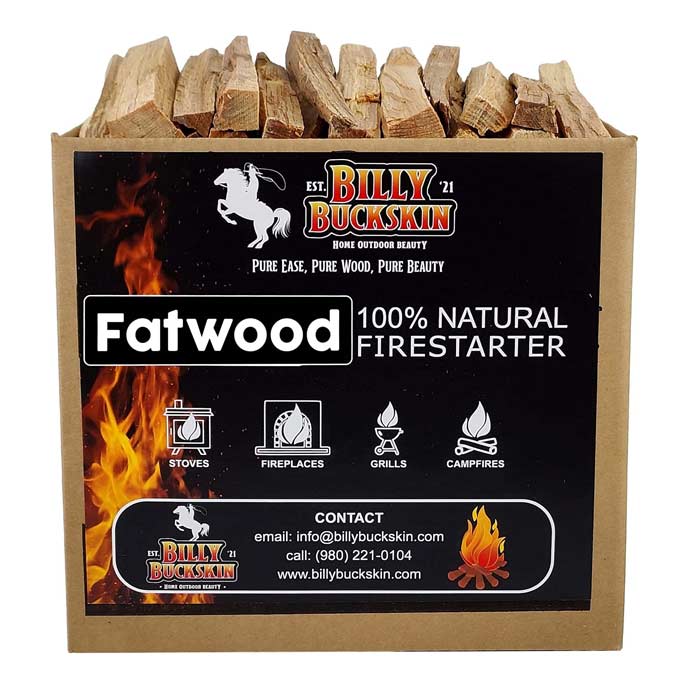
Yes. Fatwood can be used to help start fires in suitable fireplaces, wood stoves, fire pits, grills, and campfires. Its versatility makes it a useful addition to both household fire-starting supplies and outdoor camping kits.
For indoor use, make sure your fireplace or wood stove is designed for burning wood and has adequate ventilation. For outdoor fires, check local fire restrictions and weather conditions before lighting a fire.
Fatwood is a fire starter, not a replacement for properly seasoned firewood. Its main job is to help establish the initial flame so the rest of your fuel can catch.
Start Your Next Fire With Billy Buckskin Fatwood
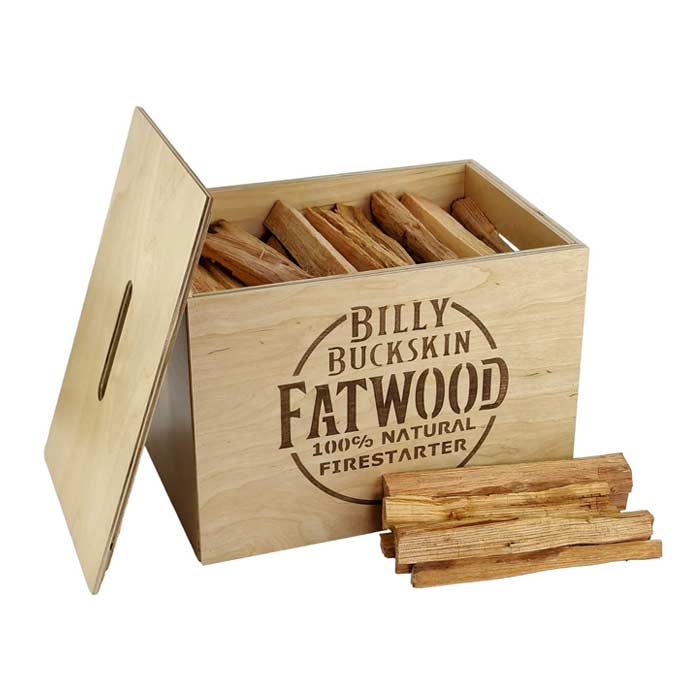
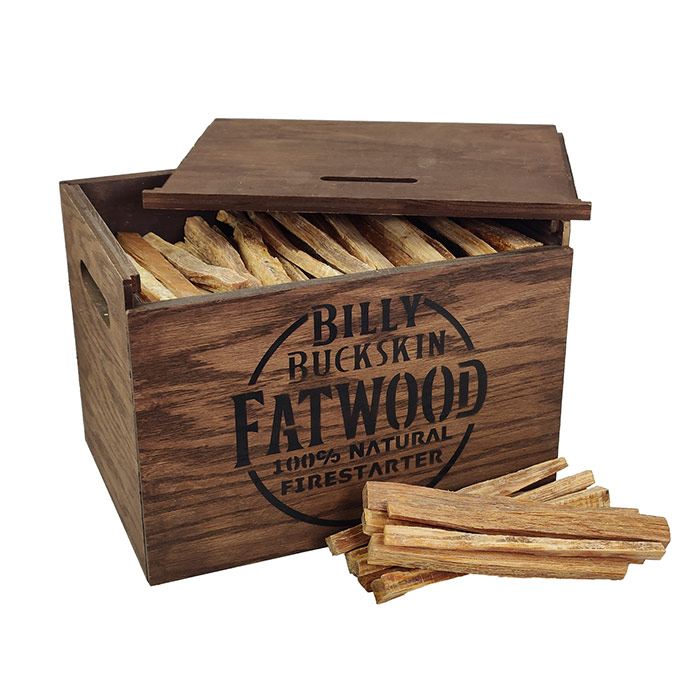
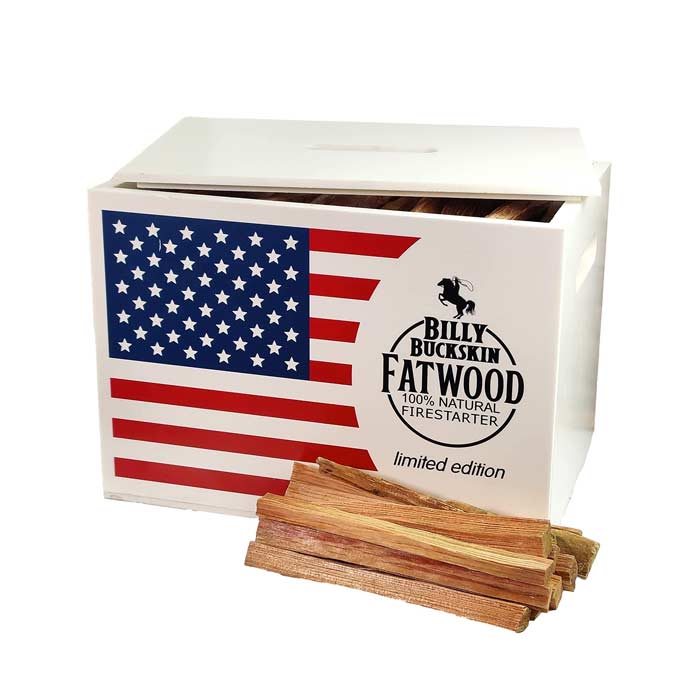
When you want a straightforward way to get a fire started, Billy Buckskin Fatwood Fire Starter Sticks offer a natural option made from resin-rich pine wood. Keep them on hand for fireplace evenings, wood stoves, backyard fire pits, and outdoor adventures.
With the right combination of fatwood, dry kindling, and seasoned firewood, you can spend less time coaxing a flame and more time enjoying the warmth.
Ready to make fire starting easier? Explore Billy Buckskin Fatwood.